
About the Foundation
College access, delivered one scholar at a time
The William H. Douglas Foundation is a student advocacy group working to move the needle toward higher enrollment, retention, and graduation rates in post-secondary education. We engage students where they are and deliver the access, information, and resources they need to attend the college of their choice, regardless of socio-economic background.
WHD's success is measured by the success of our students.
- Authenticity
- Excellence
- Integrity
- Respect
- Service
- Unity
Who we are
The William H. Douglas Foundation is a California 501(c)(3) nonprofit working to raise enrollment, retention, and graduation rates for students pursuing post-secondary education and careers. We serve students and families for whom the college process is unfamiliar territory, and we stay with them through it.
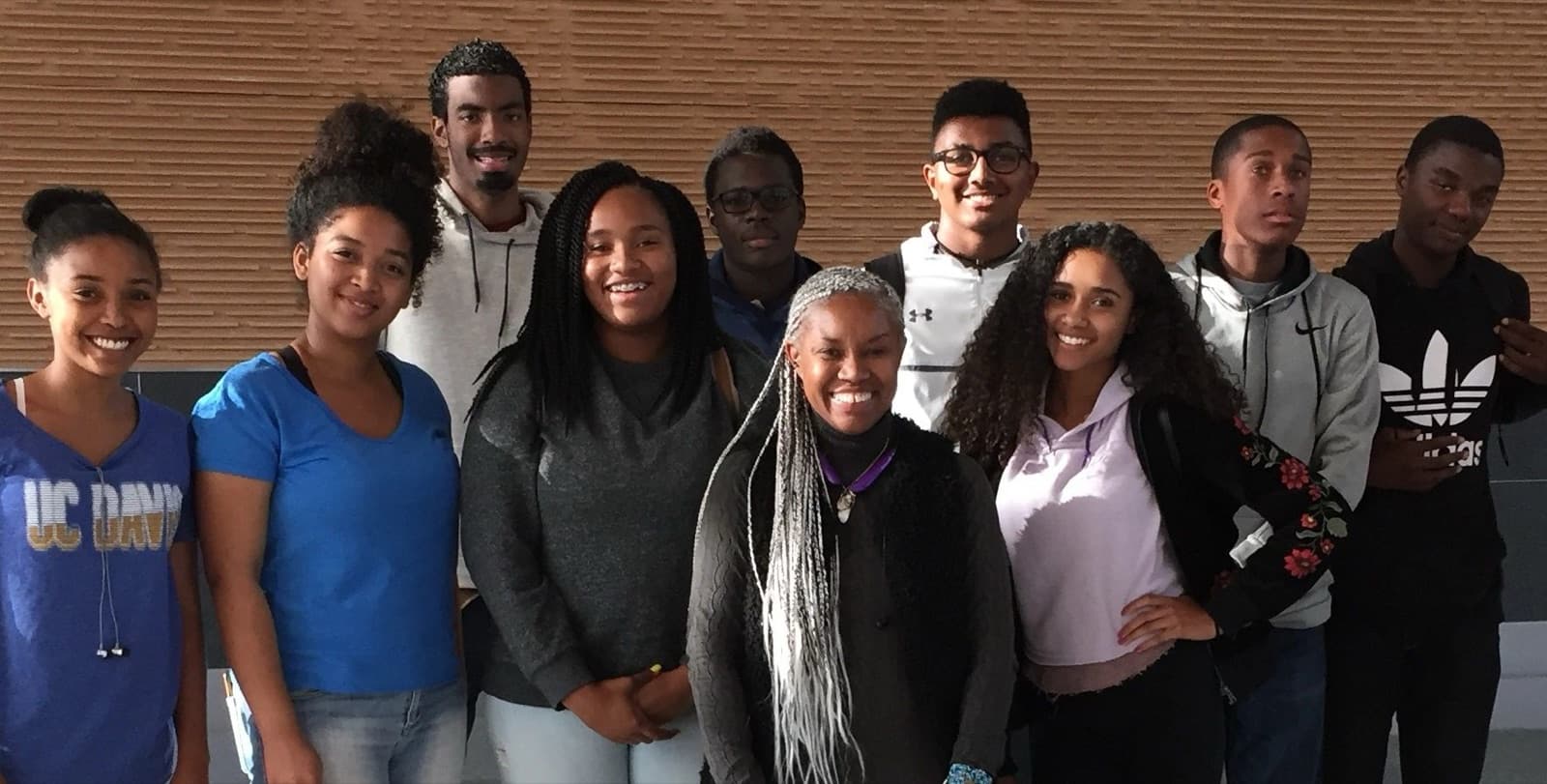
Our advocates are highly motivated, and most are graduates of our own Academy. They bring firsthand knowledge of the hard work that goes into guiding a successful scholar, and a commitment to the communities where they live.
How we work
Three things decide whether a student reaches the college of their choice. We provide all three, together, rather than one in isolation.
Access
We meet students where they are and open doors to the colleges and futures they are aiming for.
Information
Clear, current guidance on admissions, financial aid, and the whole road to acceptance.
Resources
Tours, workshops, fellowships, and internships that turn a plan into a place at a university.
Our standards
Advocates who have walked it
Most of our advocates are graduates of our own Academy. They have firsthand knowledge of the work it takes to guide a scholar to acceptance, and they are accomplished in their own right.
Measured by our students
The Foundation's success is measured by the success of our students: enrollment, retention, and graduation, not activity for its own sake.
Careful with families' trust
We work with minors and their families. Consent, privacy, and safeguarding are built into how we operate and how our platform is designed, not added afterwards.
Our namesake
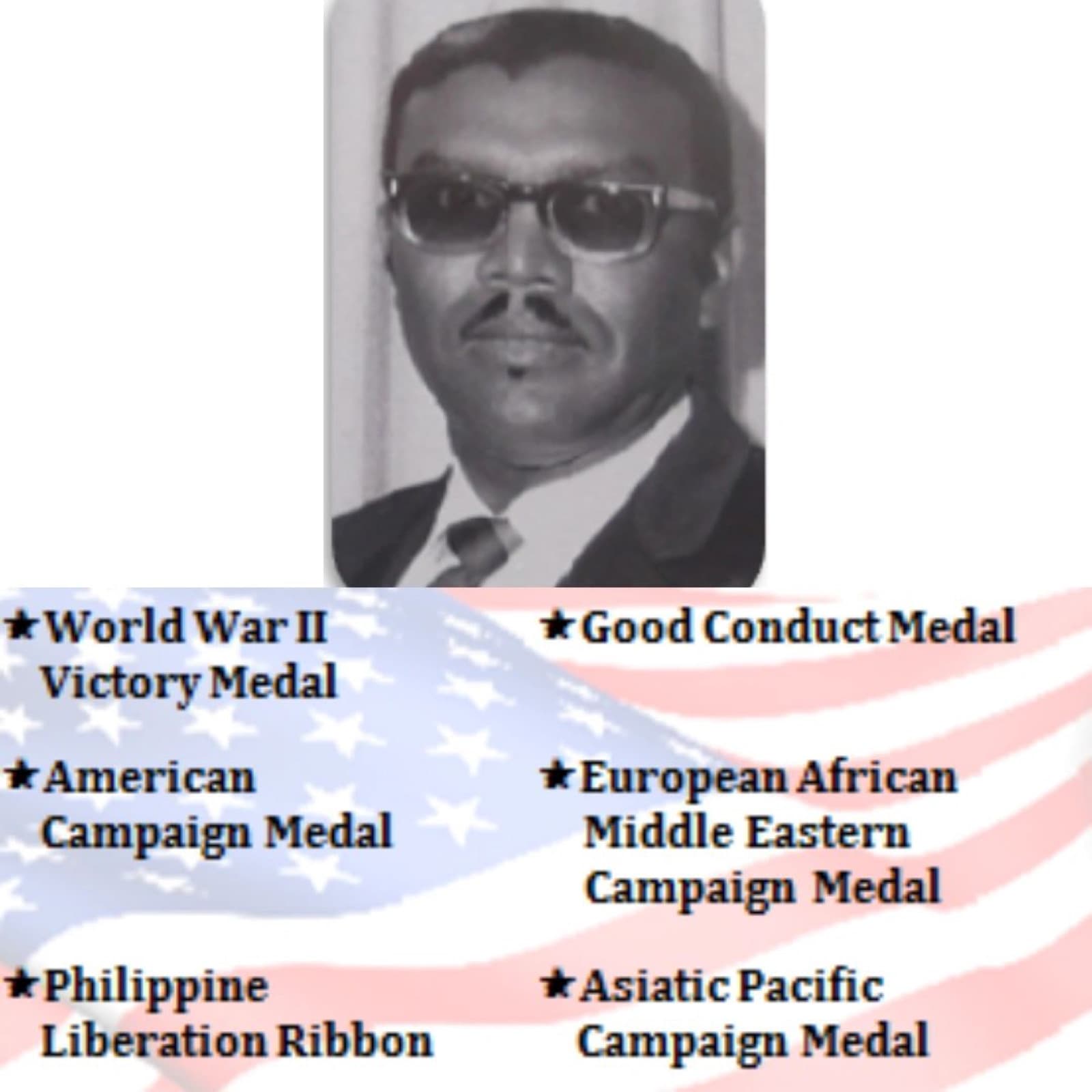
William H. Douglas, Jr. (1924 to 1995)
Mr. Douglas was raised on the family farm in Henderson County, Tennessee, working the cotton fields from early childhood. He finished the ninth grade before returning to the fields full time, and in 1943, at nineteen, enlisted in the U.S. Army, leaving in 1946 with an honorable discharge and numerous medals.
Settling in South Los Angeles with a family to support, he earned his GED and studied mechanical drawing and tool design at Los Angeles Trade Technical College. He joined North American Rockwell as a janitor and retired from it an aerospace engineer.
Education, determination, and perseverance were key to his success, and they are the same three things we ask of, and build in, every scholar.
For students & parents
Your journey begins here
Tell us about yourself by completing the Scholar Intake Form, then book your appointment. It's just that easy. We'll send you our assessment to be completed prior to your interview. During your interview we will go over your assessment and discuss next steps. Once the assessment is completed and we have received your one-time $150 USD Academic Success Assessment, the scholar will have access to their account with their written plan. You will be able to join the WHD Scholar Program for an investment of $1,500 USD.Please note: 15 WHD Scholarships are available on a first-come, first-served basis.
Tell us who you are
A short "Ready to Launch?" form. Students and parents go straight on to the intake form, with what they entered already filled in.
Complete the intake form and book your appointment
The New WHD Scholar Intake Form, with your transcript and photo. Book your assessment appointment right inside the form, and save your progress any time.
Pay the $150 assessment
Submitting the intake emails a one-time $150 USD invoice for the Academic Success Assessment. Paying it creates the student's account, and the intake form is filed onto it automatically.
We run the assessment
An advocate reads the transcript line by line, checks the academic resume for gaps, and meets with the student, and a parent or guardian for anyone under 18.
We deliver the results
You're notified when the assessment is complete, and get the written gap analysis and a semester-by-semester strategic plan, posted to the student's account.
Enroll in the program, $1,500
With the plan in hand, your advocate calls to recommend the level of ongoing support. Families who continue enroll at the $1,500 USD program investment, and the full dashboard opens. There is no obligation to continue.
What the assessment is
A one-on-one review of where a student stands today and a written plan for getting them to the college of their choice.
- Transcript & coursework analysis. An advocate reads the full transcript line by line against A to G / college-entrance requirements, flags missing or weak courses, and checks GPA trends by semester.
- Academic resume gap check. Grades, test scores, activities, leadership, service and work are compared with what target colleges actually admit, so the student knows exactly where the gaps are.
- Goals & fit conversation. A 45 to 60 minute meeting with the student (and parent or guardian for minors) about college and career goals, learning style, and what has been getting in the way.
- Written strategic plan. A semester-by-semester plan: courses to take or retake, test-prep timing, activities to add, essay and application milestones, and financial-aid steps.
- Program recommendation. Once the plan is delivered, we recommend the level of ongoing support (light coaching through full advocacy) and what enrolling in the program involves. No obligation to continue.
What you'll need to provide
The assessment is only as good as what we can see. Gather these before your meeting.
- Unofficial transcriptEvery completed course and grade, 9th grade to now. A screenshot or PDF from the school portal is fine.
- Current class scheduleSo the plan starts from the courses already in progress this semester.
- Test scores, if anyPSAT, SAT, ACT, AP or state test results, even partial or practice scores.
- Activities, service & workClubs, sports, leadership roles, volunteering, jobs and hours per week.
- College & career interestsEven a rough list, dream schools, majors, or careers being considered. "Not sure yet" is a valid answer.
- Honest self-assessmentWhere the student feels strong, where they struggle, and what support has or hasn't worked before.
- Financial-aid pictureWhether the family expects to need aid, so the plan includes FAFSA, scholarships and cost comparisons early.
- Parent or guardian contactRequired for students under 18. Consent is collected before any student data is stored.
- AvailabilityDays and times the student can meet, and the best way to reach the family.
Work with us
Whether you are a student, a family, a school, or a funder, the next step is a conversation.